
Cricket has been a global favorite for centuries. It’s a sport that grabs the attention of fans and newcomers alike. Let’s dive into the basic rules, field setup, and key concepts that make cricket exciting.
Cricket is a game for two teams, each with eleven players. The goal is to hit a ball with a bat and run between wooden posts called “wickets.” The team with the most runs after the time or overs wins.
The game takes place on a big oval field with a rectangular “pitch” in the middle. This is where the bowler throws the ball to the batter. The batter aims to keep the wickets safe and score runs by hitting the ball to certain areas.
Key Takeaways
- Cricket is a sport played between two teams of 11 players each.
- The objective is to score runs by hitting the ball and running between two sets of wooden posts called “wickets”.
- The game is played on a large oval-shaped field with a rectangular “pitch” at the center.
- Batters try to protect their wickets and score runs, while bowlers aim to knock down the batters’ wickets.
- The team that scores the most runs within the allotted time or overs is declared the winner.
Cricket: A Gentleman’s Game
Cricket is a sport with a long history and deep traditions. It started in 16th-century England and has become a global sport. It has grown from a simple rural game to a worldwide favorite.
The Origins of Cricket
The start of cricket is a bit of a mystery, but we know it goes back to the 16th century. The name “cricket” comes from the Old English word “cricce,” meaning a shepherd’s crook. Over time, the game changed and got its first official rules in the 18th century. This set the stage for its lasting traditions.
Cricket’s Global Popularity
As the British Empire grew, cricket spread to new lands. It became popular in places like the West Indies and Australia. Now, cricket is played in over a hundred countries, with a huge fan base and many different styles.
Cricket is loved for its mix of strategy, skill, and fair play. Its focus on being a “gentleman’s game” has made it popular around the world.
“Cricket is a game that owes much of its unique appeal to the fact that it should be played not only well, but beautifully.”
– Sir Neville Cardus, renowned cricket writer
The Playing Field
The cricket pitch and crease are key parts of the game. They define the playing area. It’s important for players and fans to know the dimensions and layout.
The Pitch and Crease
The pitch is at the heart of the cricket field. It’s a rectangular area covered with closely-mown grass or a hard surface. The cricket pitch dimensions are 22 yards long and 10 feet wide. This is where the bowler throws the ball to the batsman.
There are cricket crease lines around the pitch. They show where the batsman and bowler stand. The popping crease is 4 feet in front of the stumps. The batsman must ground their bat behind it to be “not out.” The bowling crease is at the stumps, where the bowler throws the ball.
| Feature | Dimensions |
|---|---|
| Cricket Pitch Length | 22 yards (20.12 meters) |
| Cricket Pitch Width | 10 feet (3.05 meters) |
| Popping Crease | 4 feet (1.22 meters) in front of the stumps |
| Bowling Crease | Aligned with the stumps |
The cricket field dimensions and crease lines make up the playing area. This is where the exciting game of cricket happens.
The Equipment
In cricket, the gear players use is key to the game’s success. From the famous cricket bats to the carefully made balls and vital protective gear, each piece is crucial. They help ensure the game flows smoothly and safely.
Bats, Balls, and Protective Gear
The cricket bat is the main tool for batsmen. Its design has changed over time to fit the game’s needs. These bats are made from top-quality willow wood. They have a broad, flat face and a tapered handle.
The cricket ball is also a vital piece of equipment. It’s made from leather and has a cork core. Bowlers use these balls for their speed, spin, and bounce.
Players also use protective gear to stay safe. This includes cricket equipment like helmets, gloves, pads, and guards. These items protect players from getting hurt.
- Cricket bats vary in size and shape to suit different players.
- Cricket balls are made from high-quality leather for the right speed, spin, and bounce.
- Cricket protective gear, like helmets and gloves, keeps players safe.
The cricket equipment shows the sport’s deep history and drive for excellence. From iconic bats to well-designed balls and protective gear, each part adds to the game’s thrill and challenge. This has drawn fans and players for centuries.
The Teams and Players
Cricket is a team sport that needs a mix of players to win. The cricket team composition is key to a team’s strategy and success. It affects how well they work together.
Every cricket team has 11 players, each with a special cricket player role. These roles include batters, bowlers, all-rounders, and wicket-keepers. The cricket team strategy aims to use these roles well to make a strong team.
Batting Roles
- Openers: These players start the game by facing the new ball and setting the innings’ pace.
- Middle-order Batters: They help keep the innings stable and increase the run rate through partnerships.
- Finishers: These players speed up the scoring in the game’s last parts.
Bowling Roles
- Fast Bowlers: They use speed and bounce to challenge the batters and get wickets.
- Spinners: These players use spin to trick the batters and get them out.
- All-rounders: These players help with both batting and bowling.
Specialist Roles
- Wicket-keeper: A key player who helps defend the team and manage the field.
- Captain: Leads the team, makes key decisions, and motivates the players.
Choosing the right players for a cricket team is a complex task. It requires picking players who work well together and can adapt to the game’s demands.
| Player Role | Responsibilities | Key Attributes |
|---|---|---|
| Opener | Face the new ball, set the innings’ pace | Good technique, focus, and quick scoring |
| Middle-order Batter | Keep the innings stable, build partnerships, and keep the run rate up | Strong defense, flexibility, and ability to bat long |
| Finisher | Speed up the scoring in the game’s end | Power hitting, fast running, and adaptability |
| Fast Bowler | Get wickets with speed and bounce, limit runs | Speed, accuracy, and ability to swing and seam |
| Spinner | Use spin to beat the batters and get them out | Spin, control, and reading the batter’s moves |
| All-rounder | Help with both batting and bowling | Good at everything, flexible, and can adjust to the game |
| Wicket-keeper | Help manage the field, catch and stump | Great reflexes, safe hands, and understanding the game |
| Captain | Lead the team, make decisions, and motivate players | Strong leadership, decision-making, and team motivation |
“The perfect cricket team is a well-oiled machine, with each player performing their role to perfection and contributing to the collective success.”
Cricket: A Game of Innings
In the world of cricket, “innings” is a key part. It makes cricket stand out, offering various match formats. These formats appeal to both players and fans.
The Different Forms of Cricket
Cricket fans have many game formats to choose from. Each format has its own rules and ways of playing. You can enjoy the long-lasting Test cricket matches or the quick Twenty20 (T20) cricket games.
One-Day Internationals (ODIs) are also very popular. Teams try to score the most runs in 50 overs. These matches often end in exciting ways and are loved by many fans.
Whether you like the deep strategy of Test cricket, the fast pace of T20, or the thrill of ODIs, cricket has something for everyone.
The number of innings in a cricket match depends on the format. In Test cricket, each team bats twice, making four innings in total. In ODIs and T20s, teams usually have one innings each, with the highest score winning.
Knowing about the different cricket formats and their innings rules is key for cricket fans. It helps them enjoy the sport’s depth and complexity.
Scoring Runs
In the world of cricket, the main goal is to score as many cricket runs as you can. Batting is all about getting these runs. Players use different techniques to keep the scoreboard moving.
Batting Techniques
The cover drive is a key cricket batting move. It lets batters hit the ball through the off-side field for boundaries. Another common move is the pull shot, where the batter hits the ball over the mid-wicket area.
For a bold play, the slog sweep can be effective. This shot aims to hit the ball over the deep mid-wicket boundary. It requires good timing and aim.
Defensive shots like the forward defense and back-foot defense are also crucial. They help batters avoid the bowler’s threats and keep their wickets safe.
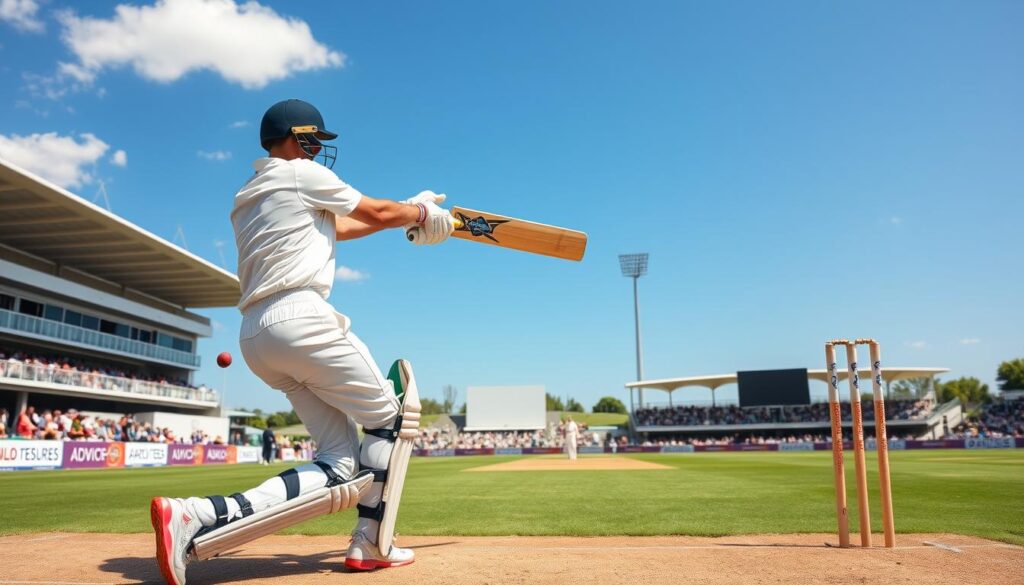
Cricket offers many ways to score cricket runs. Batters must adjust their play based on the game’s situation, the pitch, and the bowler’s strategy. A balanced cricket batting strategy and smart decisions help a batter add to their team’s score.
Dismissals and Outs
In cricket, there are many ways a batter can be declared “out.” These methods of getting out in cricket are key to understanding the game. Let’s look at the different cricket dismissals and cricket outs that happen during a match.
Caught Out
A common cricket wicket is when a batter is caught by a fielder. This occurs when the batter hits the ball, and a fielder catches it before it hits the ground. The batter then leaves the field because they are “out.”
Bowled Out
Another way a batter can be dismissed is when their stumps are knocked over by the bowler. This is called a “bowled” dismissal, and the batter is said to be “out.”
Run Out
A cricket out can also happen when a batter is run out. This is when a fielder throws the ball and hits the stumps while the batter is running. If the batter doesn’t make it back to their crease in time, they are “out.”
Stumped Out
The last common cricket dismissal is when the wicket-keeper removes the bails from the stumps. This happens when the batter is out of their crease, resulting in a “stumped” dismissal.
It’s important to know these methods of getting out in cricket for players, fans, and enthusiasts. Understanding the rules and strategies behind these cricket outs and cricket dismissals makes the sport more enjoyable.
The Role of Umpires
In cricket, umpires are key to making sure the game is fair and runs smoothly. They are like the referees, making big decisions that can change the game’s outcome. Cricket umpires are vital for the sport’s integrity.
They watch the game closely, call out no-balls and wide deliveries, and decide if a batsman is out. They also handle player behavior, like too much appealing or bad language, and can warn or remove players if needed.
Being a good umpire means knowing the game’s rules well. They must make quick, right decisions under a lot of pressure. They need to stay calm and fair, keeping the game’s spirit alive.
Umpires do more than just make on-field calls. They make sure the game follows the cricket rules enforcement. They check the pitch, where fielders stand, and how players use their gear.
| Key Responsibilities of Cricket Umpires | Description |
|---|---|
| Enforcing the Laws of Cricket | Umpires make sure the game is fair by applying the Laws of Cricket. |
| Making Decisions on Dismissals | They decide if a batsman is out, using the rules and their best judgment. |
| Monitoring Player Conduct | Umpires step in when players act unfairly and can give warnings or penalties. |
| Maintaining the Integrity of the Game | Umpires keep the game fair and respectful, upholding its spirit. |
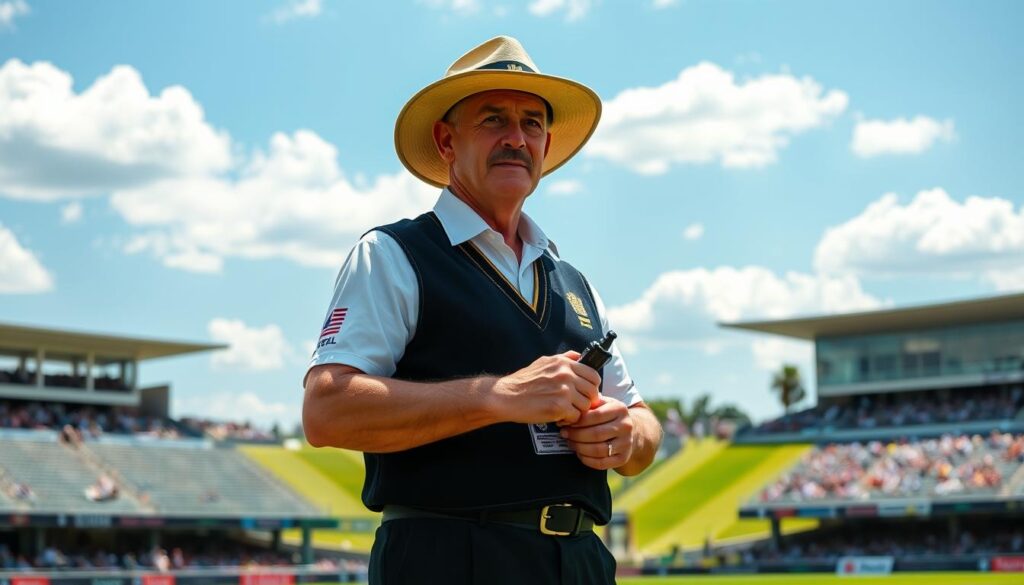
Umpires are crucial in cricket. They ensure the game is fair and played with respect. Their decisions greatly affect the match’s outcome, making their job very important and challenging.
Cricket Strategies and Tactics
In the fast-paced world of cricket, teams and players need smart strategies and tactics to win. From batting and bowling to field positions and team setup, strategy is key. It helps decide who wins a match.
Batting and Bowling Strategies
Good batting and bowling in cricket means knowing the game well and the opposing team’s strengths. Batters should think about the pitch, the bowler’s style, and the game’s situation to score well. Bowlers aim to beat the batters by changing pace, spin, and where the ball lands.
Being able to change plans during a match is vital. Teams must adjust their tactics as the game changes. This lets them take advantage of new chances.
| Batting Strategies | Bowling Strategies |
|---|---|
|
|
Mastering cricket strategy and tactics helps teams and players succeed. This is true for cricket batting strategy and cricket bowling strategy.
Cricket Etiquette and Spirit
Cricket is known as the “Gentleman’s Game” because of its deep traditions and a code that values sportsmanship and respect. At its core is the “spirit of the game,” which goes beyond the rules. It defines cricket’s true nature.
Cricket’s etiquette includes “walking,” where a batsman leaves the game if they think they’re out. This act shows the sport’s focus on honesty and fair play.
Before and after the game, captains shake hands as a sign of goodwill. This gesture sets the game’s friendly tone, showing that the real value is in competing with respect.
Players also respect umpires and officials by appealing respectfully and accepting their decisions. This shows the game’s true sportsmanship, even when competition is fierce.
Cricket’s traditions are key to its identity. By following these values, everyone helps keep cricket as a true gentleman’s game.
| Tradition | Description |
|---|---|
| Walking | A batsman voluntarily leaving the field upon realizing they have been dismissed, even without the umpire’s decision. |
| Pre- and Post-Match Handshake | The ceremonial handshake between opposing captains, symbolizing sportsmanship and goodwill. |
| Respectful Appeals | Players refraining from excessive or aggressive appeals to the umpire, maintaining a dignified approach. |
“Cricket is a game that owes much of its unique appeal to the fact that it should be played not only within its Laws, but also within the Spirit of the Game. Any action which is seen to abuse this spirit causes injury to the game itself.”
Cricket’s traditions and etiquette show its deep commitment to cricket sportsmanship, cricket traditions, and a cricket code of conduct. These values make the game more than just a competition. They create a culture of respect, integrity, and friendship.
Conclusion
As we wrap up our look at cricket, we’ve seen its deep history, global fans, and complex rules. This sport has grown from a game for gentlemen to a big deal worldwide. It now wins hearts with its strategy and fair play.
We learned about the game’s importance of the field and gear, the players’ roles, and the different ways it’s played. We also covered how scoring works, the art of getting a player out, and umpires’ key role in keeping the game fair.
If you’re keen to dive deeper into cricket, there’s a lot online to check out. You can find detailed articles, player stories, live games, and commentary. By diving into cricket’s traditions and new changes, fans can grow their love for this amazing sport.